Travel Trailer Disposal in Cape Coral, FL (Lee County): Easy Ways to Tow Away an Old Trailer

Local RV & Boat Removal
A travel trailer can be a fun chapter in your life until it becomes a parked problem you keep stepping around. In Cape Coral, that happens faster than people expect. The sun eats tires. Humidity creeps into seams. A small roof leak turns into a soft floor. Then one day, you look at the trailer and realize you are not “fixing it up” anymore. You are just storing a big, deteriorating object that takes up space and brings stress every time you see it.
If that’s where you’re at, you’re not being dramatic. You’re being realistic. Travel Trailer Disposal is one of the most common reasons people call for RV Removal in Florida, and Lee County has plenty of the same situations: older rigs sitting in side yards, trailers left behind after a move, storm-worn campers that are not safe to tow, or a trailer that turned into a junk-storage box.
This guide walks through what disposal really means in Cape Coral, how to tow away old RV units that are not roadworthy, what affects the cost, and how to get it handled cleanly with less hassle.
If you want a quick overview of how we handle pickup and haul away, start here: RV Removal.
Why Cape Coral trailers become “junk trailers” so quickly
Florida weather is not gentle on stored vehicles, and travel trailers have a lot of seams, seals, and openings that invite moisture. Even if the trailer looks fine from the outside, time and heat can work on the inside quietly.
In Cape Coral and across Lee County, travel trailers often turn into junk because of a few repeat issues.
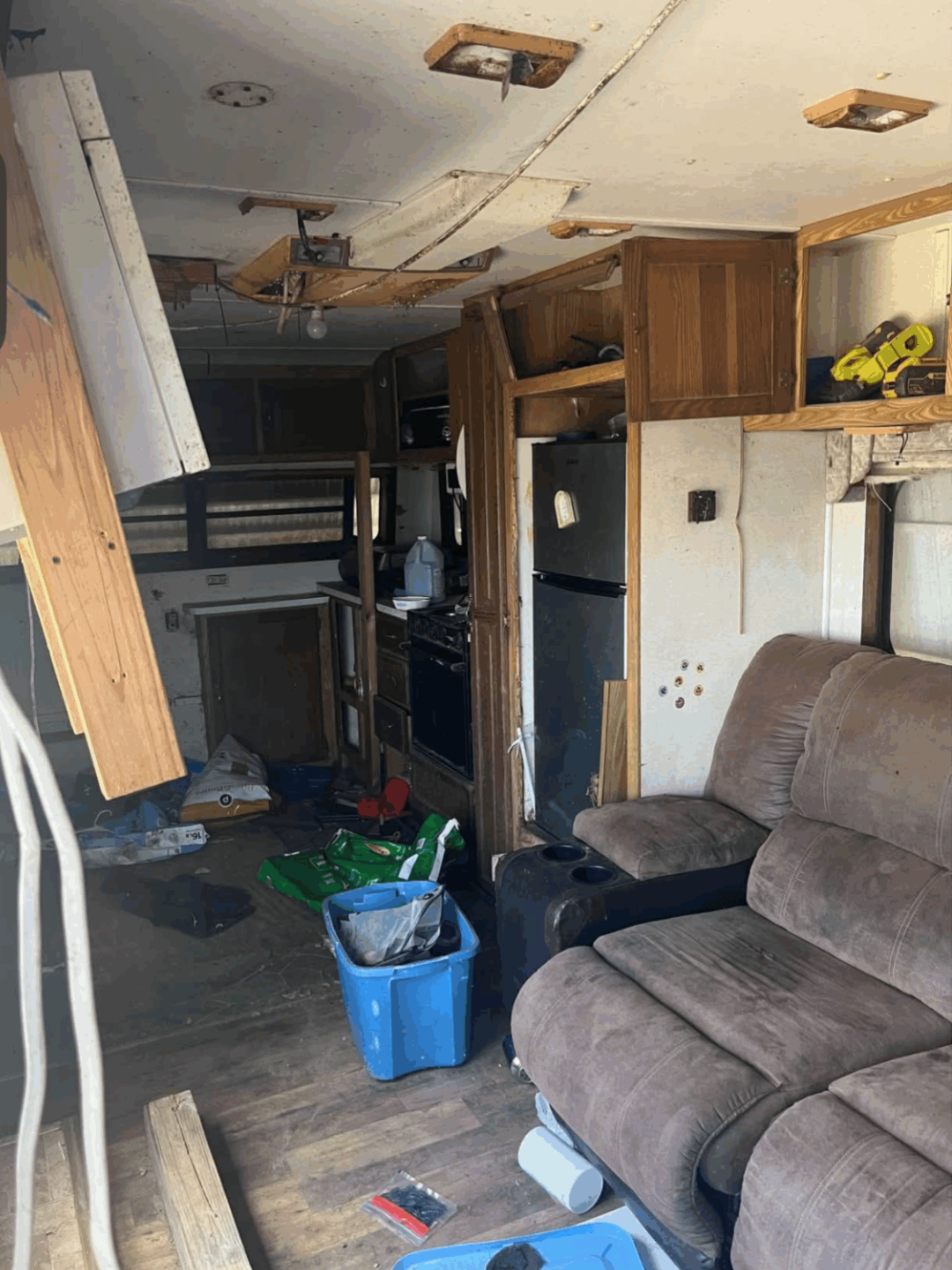
One is water intrusion. A tiny crack around a vent or an old seal line can let in enough rain to start rot. Once rot starts, floors soften and walls can lose strength. Another is mold, which spreads fast when moisture sits in enclosed spaces. Tires and rubber components also age quickly in heat and sun. A trailer that has been sitting for a year can already be risky to tow if the tires have dry rot or the bearings have not moved in a long time.
Storm seasons also matter. A trailer does not need to flip over to be damaged. Flying debris, heavy rain, or standing water can create problems you only notice later. That’s why “I’ll deal with it next month” often turns into “I should have handled this earlier.”
What “travel trailer disposal” actually means
A lot of owners hear “disposal” and imagine a landfill that accepts the whole trailer. In reality, many facilities do not take complete RV units the way people assume, and requirements can vary.
That’s why most people end up looking for Junk RV Removers instead. Disposal becomes a managed process where the trailer is removed from your property and then handled appropriately based on its condition, contents, and what facilities are practical for that situation.
For owners, the goal is simple: get the trailer gone safely and permanently without turning it into a multi-week project.
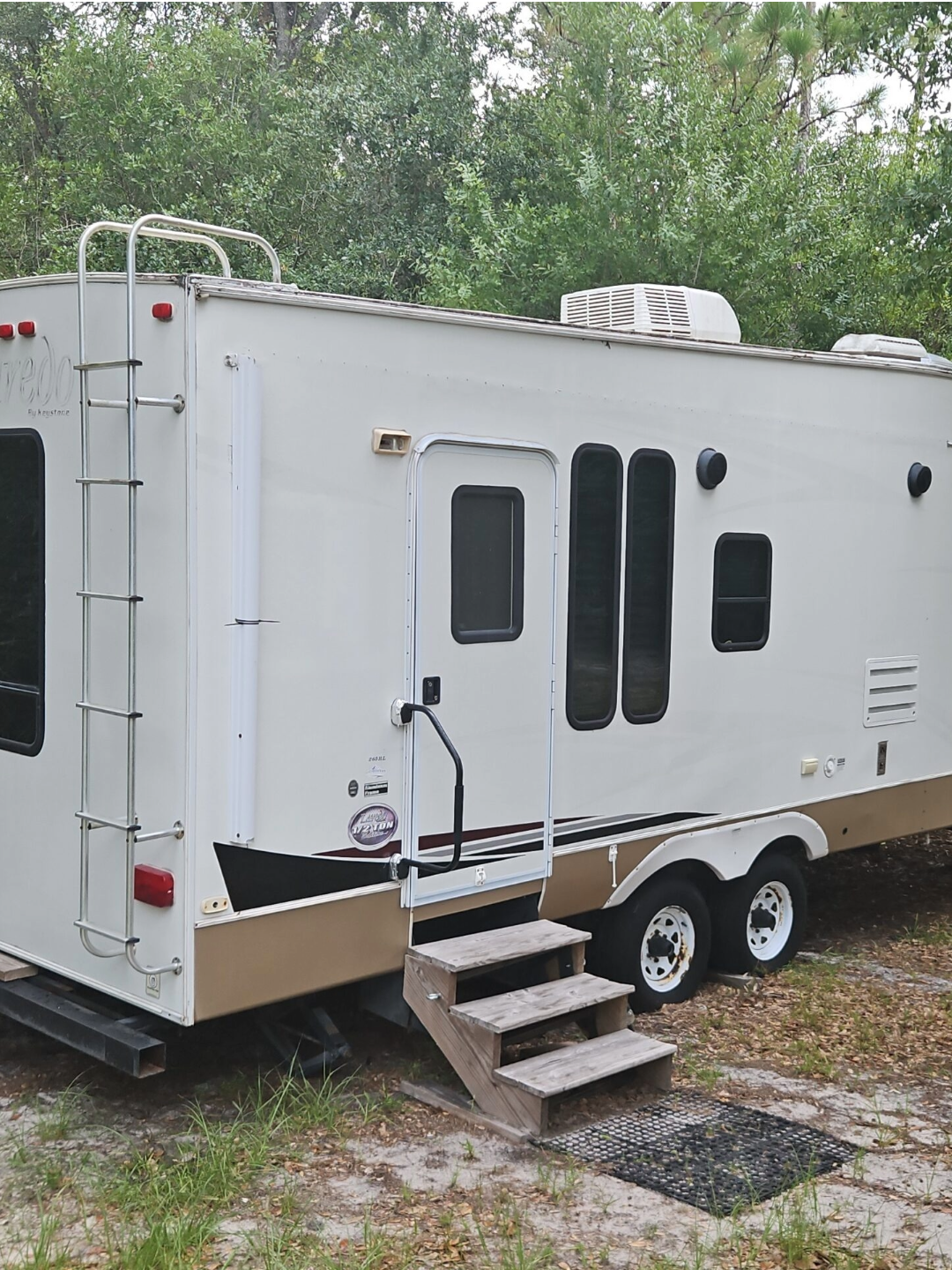
If your situation is specifically a travel trailer, this page is made for that exact problem: Travel Trailer Disposal.
The real options to get rid of a travel trailer in Lee County
Most people consider a few routes before deciding on professional removal. Here’s what typically happens in the real world.
Selling can work if the trailer is still roadworthy, has a clean title, and does not need major repairs. But once the trailer has soft floors, heavy water damage, missing paperwork, or unsafe tires, selling becomes a long cycle of low offers and no-shows.
Donation is usually limited to trailers that are still in usable condition. Many donation programs avoid non-roadworthy units because the cost to move and repair them can be too high.
DIY towing sounds simple until the trailer resists moving. In Florida, it is common to find seized brakes, tires that will not hold air, or a frame that is not safe for highway towing. One failed attempt can cost you more than you expected, especially if you end up needing equipment anyway.
That’s why many owners choose Junk RV Removal as the direct option when the trailer is clearly done.
How a tow-away works when the trailer is not roadworthy
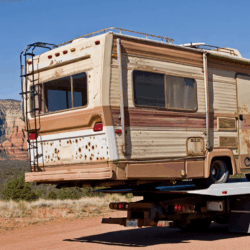
The big question people ask is: “If it won’t tow normally, can it still be removed?” In most cases, yes. The approach depends on what the trailer can realistically do.
If the trailer rolls and the hitch area is stable, towing is often straightforward. If tires are flat but still take air long enough for loading and movement, that can still be workable. If the tires are dry rotted, the axle is rusted, or the trailer has been sitting so long that rolling is unsafe, the plan changes.
The key is not pretending it’s a normal tow. The key is planning removal around the condition so the trailer can be moved safely without creating a road hazard or damaging your property on the way out.
That’s one of the main reasons people prefer professional RV Removal over trial-and-error DIY towing. You get a plan that fits the trailer you actually have, not the trailer you wish you had.
Get Started, Submit the RV Removal Form Below!
What affects the cost of travel trailer disposal in Cape Coral, FL
Pricing is tied to complexity. Two trailers can be the same length but require totally different effort to remove.
The biggest factors usually include the trailer’s size and weight, whether it can roll, and the access to the trailer on your property. A trailer parked in an open driveway is easier than one tucked behind a fence with tight turning space. Condition matters too. A stable trailer is easier than a weakened, heavily water-damaged trailer that might shift when it moves.
Another factor is contents. If the trailer is packed with trash or heavy items, it can change weight and handling. That does not mean you can’t remove it, but it’s important to be upfront so the job goes smoothly.
In Cape Coral specifically, soft ground after rain can also affect removal logistics. If your trailer is on grass and it has been sitting for a long time, it can sink slightly or create ruts when it moves. Planning for that early helps avoid surprises.
What to do before pickup day
You do not need to renovate the trailer or clean it like you are listing it for sale. But there are a few simple things that make the removal cleaner and faster.
First, remove personal items. People forget what’s inside old campers: paperwork, tools, sentimental items, or gear in hidden compartments. Take what you want to keep and do a quick sweep through cabinets.
Second, clear a path. If cars, boats, or storage bins block access, moving them beforehand saves time. If there’s a gate, make sure it unlocks and opens fully.
Third, be honest about the condition. If tires are flat, if the trailer is full, or if the frame is compromised, say it. That helps avoid rescheduling and makes sure the right equipment is planned.
If you are unsure what details matter, a few clear photos of the trailer and the exit path usually answer most questions right away.
Common Cape Coral situations that make disposal urgent
People often call for removal right after one of these moments.
A storage facility starts charging fees that don’t make sense anymore, so the trailer needs to leave quickly. A homeowner gets cited by an HOA or neighbor complaints start because the trailer looks abandoned. A storm exposes a roof leak and the trailer smells musty, so keeping it feels unsafe. A property is being sold, and the trailer has to be gone before closing. An inherited trailer is sitting on land you don’t live near, and you just want it handled.
In all of these situations, the real value is speed and certainty. You want to know it’s being handled and that your property stops being a trailer yard.
Why “just dragging it away” is a risky idea
When a trailer is already deteriorating, brute-force towing can cause problems.
Old tires can shred under load. Rusted components can fail. A weak hitch point can bend. A floor that has lost strength can shift the trailer’s structure during movement. None of these risks are worth it, especially when the goal is simply to get rid of RV clutter and reclaim space.
A planned Tow Away Old RV approach is safer because it respects the condition of the trailer. That usually means fewer surprises and fewer headaches.
FAQs
Can you remove a travel trailer that has been sitting for years?
Yes. Long-sitting trailers are common. The removal plan depends on whether it can roll and how stable the frame and hitch area are.
What if my trailer has flat tires?
Flat tires happen all the time in Florida. Share that upfront so removal can be planned properly.
Do I need to empty the trailer completely?
Remove valuables and personal items you want to keep. If there is a lot of trash inside, mention it so the job can be handled smoothly.
Is travel trailer disposal the same as junk RV removal?
In practice, yes. A travel trailer is part of the RV category, so Junk RV Removal often includes travel trailer disposal when the trailer is no longer usable.
How do I start the process?
The fastest way is to start with the service pages, especially if you already know it’s a travel trailer: Travel Trailer Disposal or the general RV Removal page.
Ready to clear your space in Cape Coral?
If your trailer is no longer usable, taking action now usually saves money, time, and stress later. In Cape Coral and across Lee County, Junk RV Removers handle trailers that are worn out, non-roadworthy, and simply in the way. Once it’s removed, you get your property back, and the problem stops living in your yard.
Florida RV & Boat Removal, Waste & Dump Services
Free Estimates for Junk RV & Boat Removal near Cape Coral, FL
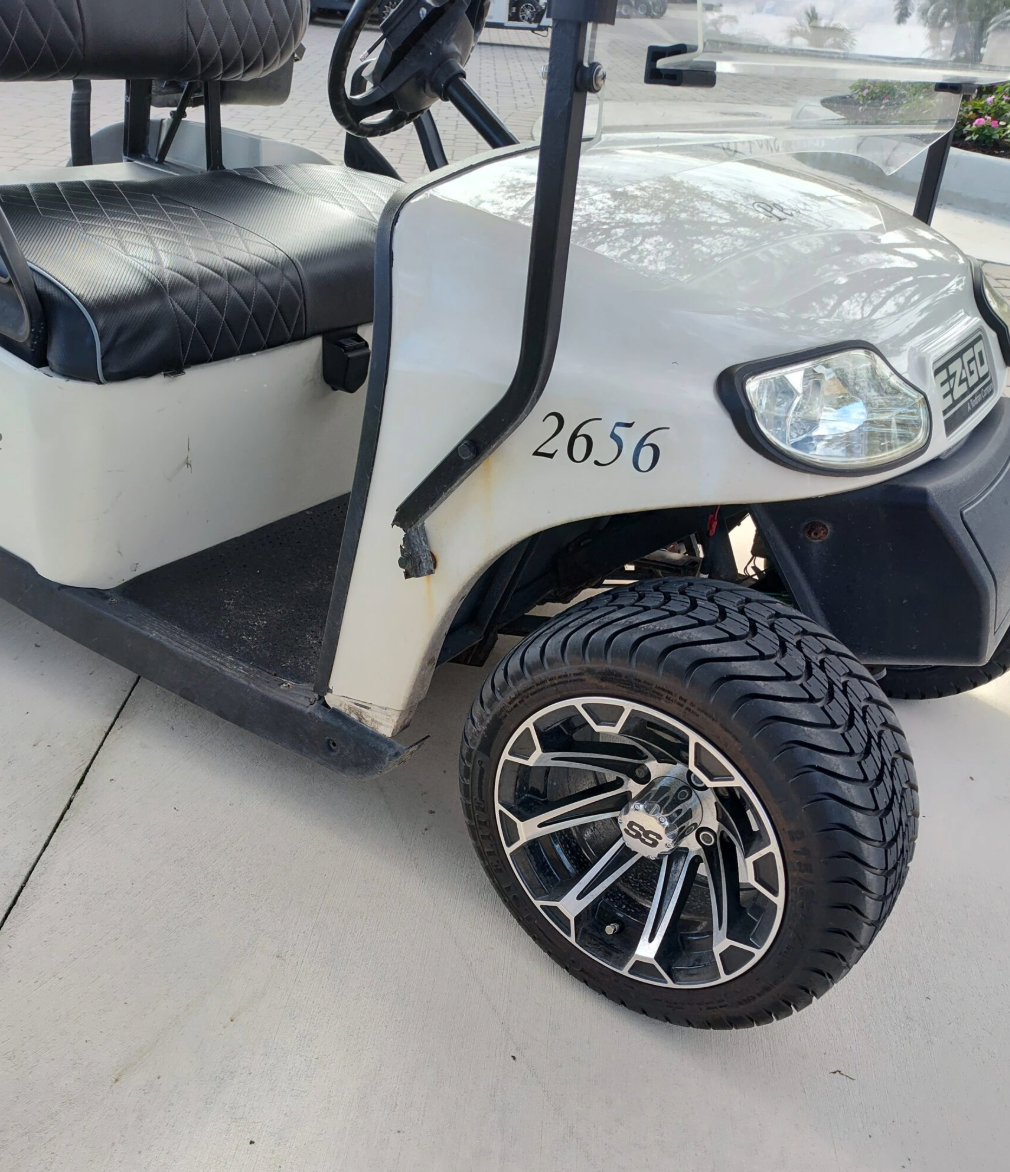
RVs We Remove, Dispose & Dump Include: Travel Trailers, Fifth Wheels, Motorhome Class A, Motorhome Class B, Motorhome Class C, Pop-Up Camper, Truck Camper, Toy Hauler, Expedition Vehicle, Camper Van, Teardrop Trailer, Park Model RV, Motorcycles & Trikes, Scooters, Golf Carts, Portable Offices, Old Helicopters, Old Planes, Boats, Sailboats, Yachts, Catamarans.
If you don’t see your RV type, call and ask if we can help 855-JunkyRV.