Camper
Massachusetts
Motorhome
Removal Services
RV
RV Towing
Salvage
Scrap
Travel Trailer
Barnstable, Cape Cod, Cape Cod Junk RV Removal, junk RV removal Massachusetts, local RV disposal Massachusetts, Massachusetts, Massachusetts Removal Services, motorhome removal Massachusetts, remove my RV Massachusetts, RV disposal Massachusetts, RV Removal near Massachusetts, RV towing Massachusetts, scrap RV Massachusetts, tow away junk RV Massachusetts, travel trailer disposal Massachusetts, Yarmouth, Yarmouth RV Removal
RV Removal Services
Junk RV Removal in Yarmouth, MA: What the Process Looks Like From Start to Finish
Local RV & Boat Removal
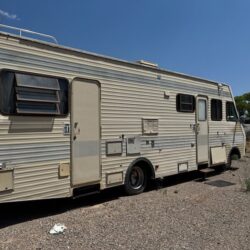
If you’ve got an old RV sitting in Yarmouth, you probably already know how it feels. At first it’s “temporary.” Then months go by. The RV doesn’t move. The tires sink a little. The roof starts leaking. The inside smells damp. Maybe neighbors start noticing. Maybe the RV becomes a storage shed for random stuff. One day you look at it and realize you’re not fixing it. You just want it gone.
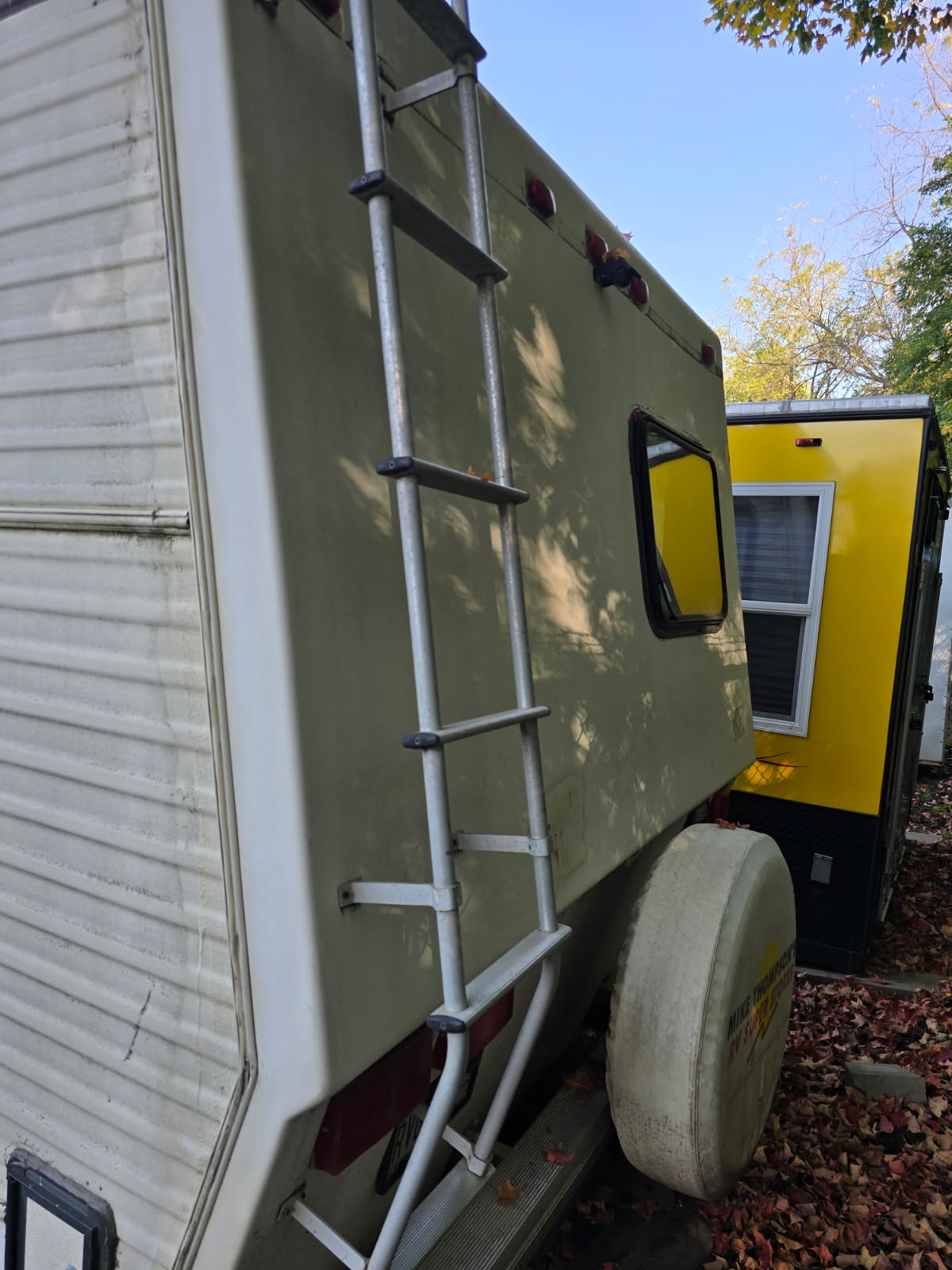
That’s where Junk RV Removal in Yarmouth, MA comes in. Professional removal is designed for the exact situations most people struggle with: RVs that don’t run, RVs with flat tires, RVs that have been sitting for years, and RVs that are more trouble than they’re worth.
This guide explains what the removal process looks like from start to finish, what you should prepare, what affects pricing, and how to make the whole thing simple.
Why junk RVs are common on Cape Cod
Cape Cod has a unique mix of seasonal travel, storage needs, and harsh conditions. RVs often sit for long periods, especially in off-season months. Moisture, salt air, and cold weather can do real damage over time. Even if the RV isn’t directly exposed to seawater, the damp environment and temperature swings can speed up wear.
Common Cape Cod RV issues include:
Soft spots in floors from leaks
Roof damage that leads to mold and odors
Corrosion in electrical connections
Dead batteries and failed appliances from long storage
Tires that dry rot or lose pressure while sitting
Rodents or pests getting inside through small openings
Once those issues stack up, most owners reach the same conclusion. Repair costs don’t make sense. Selling becomes hard. And the RV becomes an unwanted fixture on the property.
If you want a clear starting point, our RV Removal service is built for these real-world situations, including old and non-running RVs that need to be towed away.
Step 1: Confirm whether you’re dealing with “junk” or “sellable”
People hesitate because they’re not sure if the RV is truly junk. A simple way to decide is to ask yourself one question: if you fixed the obvious issues, would you actually use it again?
If the answer is no, removal is usually the right move.
Here are common signs your RV is better removed than repaired:
It won’t start and has been sitting for a long time
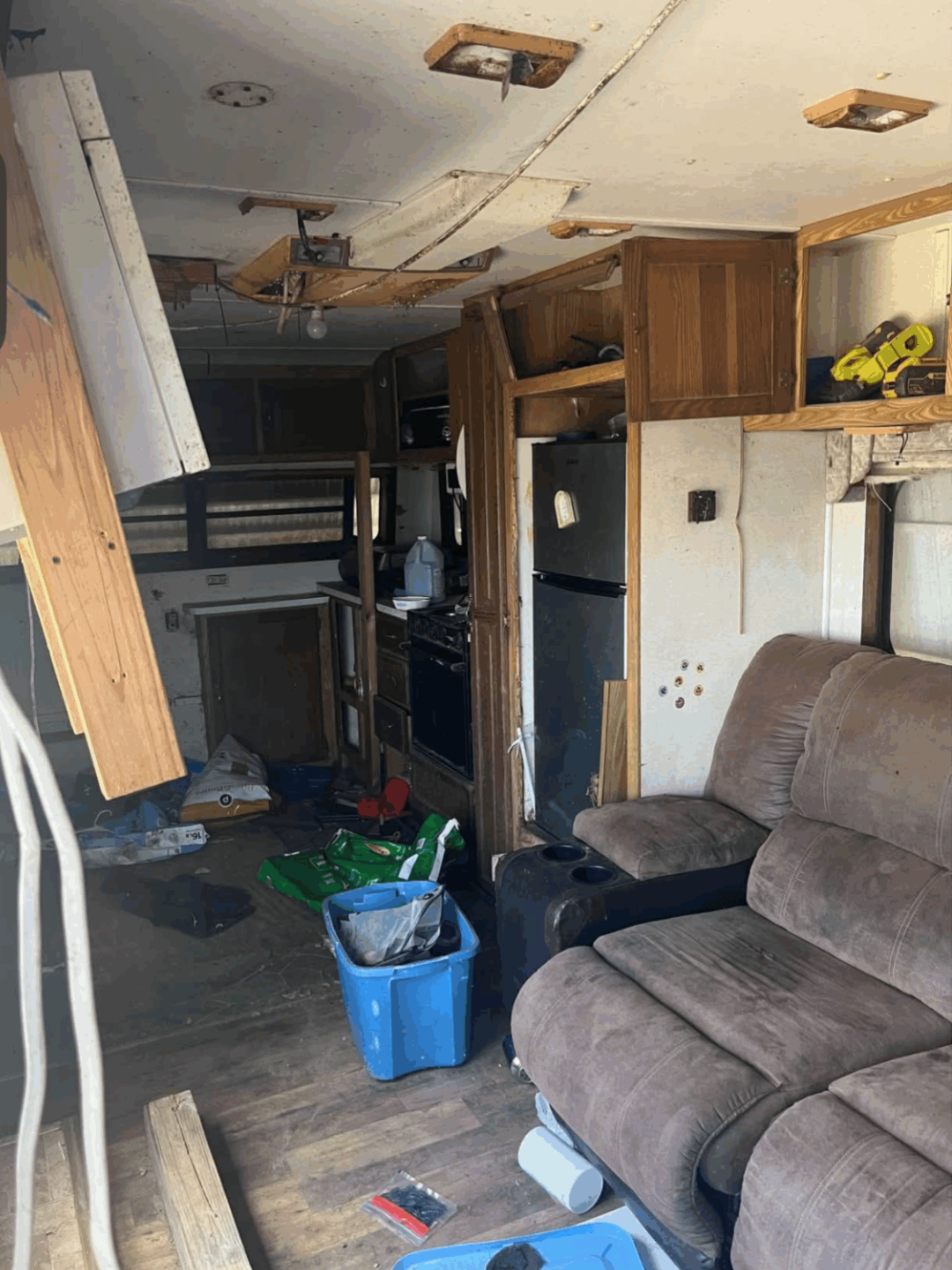
The roof leaks, the interior is moldy, or the floors feel soft
The engine or transmission is missing or beyond repair
The trailer frame is weak or unsafe
The RV is packed with junk and damage has spread
You’ve tried selling it and nobody serious wants it
Even if parts of the RV look “okay,” the overall condition often tells the truth.
Step 2: Request a quote and share the basics
The fastest removals usually begin with clear information. When you request a quote, you’ll typically share:
RV type (motorhome, travel trailer, camper, fifth wheel)
Approximate length
Where it is located in Yarmouth
Whether it is on a usable trailer or has a safe tow setup
Whether the tires hold air and it can roll
Any access concerns like gates, narrow paths, or tight turns
Photos showing the RV and the path out
Photos matter because Cape Cod properties often have tight driveways, fences, or storage areas. A removal team can plan better when they understand the access route.
Step 3: Pick the right removal method
How the RV is removed depends on what kind of RV it is and what shape it’s in. Removal teams choose the safest method based on stability, access, and towing requirements.
Motorhomes
Motorhomes are often removed using towing methods that do not rely on the engine running. The key question is whether the motorhome can roll and whether it is safe to move without causing damage.
Flat tires, seized brakes, or a weak suspension can change the plan. Older motorhomes also sometimes have structural issues that require careful handling.
Travel trailers and campers
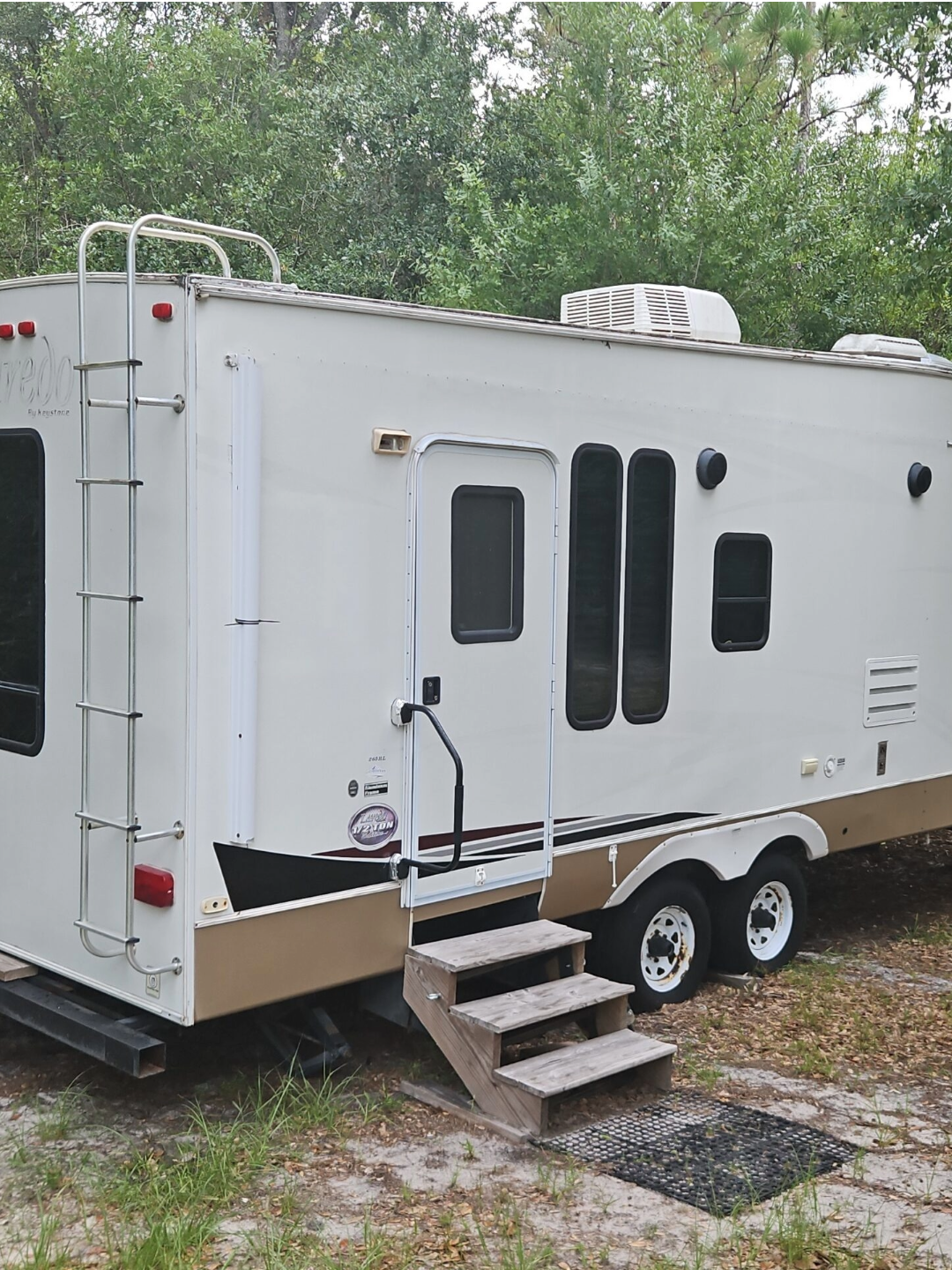
Towable RVs are often easier if the hitch and frame are intact. But many old trailers have rotted frames, missing parts, or damaged coupling systems. If towing normally is not safe, the RV may need a different loading approach.
RVs that are stuck or blocked
Cape Cod properties can make removal harder when RVs are tucked behind buildings, squeezed into side yards, or blocked by other equipment. In those cases, removal becomes a planning job as much as a towing job. A proper plan prevents driveway damage and avoids dragging the RV in a way that creates a mess.
Step 4: Prepare for pickup day
You don’t need to clean the RV like you’re selling it. But a few steps help the pickup go smoothly.
Remove personal belongings
Take out paperwork, electronics, tools, camping gear, and anything you want to keep. People forget what they stored in RV cabinets over the years.
Clear a path for access
Move any vehicles, bins, or stored items blocking the RV. If there’s a gate, unlock it and make sure it opens fully.
Be upfront about the condition
If the RV has flat tires, severe water damage, or it’s filled with junk, tell the removal team beforehand. A surprise on pickup day can cause delays.
Photograph the RV (optional, but helpful)
If the RV has been sitting for a long time, a few photos right before pickup can be useful for your own records.
Step 5: Removal and tow-away
On pickup day, the team arrives with the equipment needed for the planned method. The RV is secured, stabilized, and moved in a controlled way.
Good removal is not about speed alone. It’s about removing the RV without creating new problems:
No driveway gouges
No fence damage
No debris spilling out
No unsafe towing decisions
That controlled approach matters even more in older RVs because long-term storage can weaken frames, tires, and support systems.
Step 6: Disposal and final handling
A lot of people assume the job is finished once the RV leaves the property. In reality, the goal is a clean end point. A proper removal service ensures the RV is handled responsibly after pickup.
This matters because an RV is not like normal trash. It contains materials that need appropriate processing, and in many cases it’s part salvage, part disposal. A full-service approach ensures you aren’t stuck asking, “Where did it end up?” later.
Get Started, Submit the RV Removal Form Below!
What affects junk RV removal cost in Yarmouth
Pricing depends on the actual job complexity. Common cost factors include:
RV size and type
Whether it can roll easily
Trailer and hitch condition
Access difficulty (tight driveways, gates, soft ground)
RV condition and how loaded it is with debris
Scheduling urgency
If you want the fastest, most accurate quote, sharing photos and access details is the best move.
Extra challenges on Cape Cod that people overlook
Moisture damage
Cape Cod RVs often have hidden water damage that makes the RV weaker than it looks. That affects how it should be moved.
Seasonal timing
In peak seasons, storage yards and driveways can be crowded. Scheduling and access rules can matter more.
Neighborhood concerns
Many owners start removal because neighbors complain or property rules tighten. The fastest way to reduce stress is to schedule removal before the RV becomes a bigger issue.
FAQs
Can you remove an RV in Yarmouth if it doesn’t run?
Yes. Non-running RVs are common. The removal plan depends on RV type, condition, and access.
What if my RV has flat tires or won’t roll?
That happens a lot. As long as you share the condition upfront, the removal method can be planned accordingly.
Do I need to empty the RV completely?
Remove personal belongings you want to keep. If the RV is full of junk, mention it in advance so the team can plan properly.
How do I get started?
Share the RV type, approximate length, location, and a few photos showing access. That’s usually enough to plan a smooth pickup.
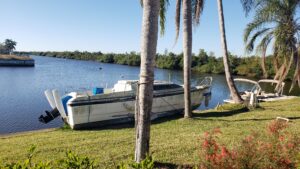
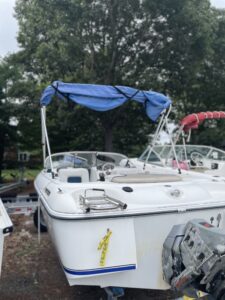
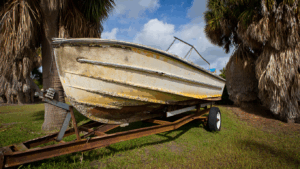
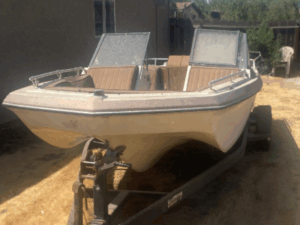
Can you remove boats too?
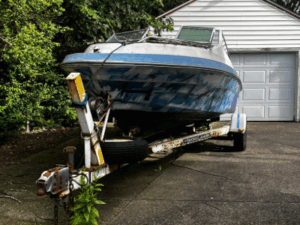
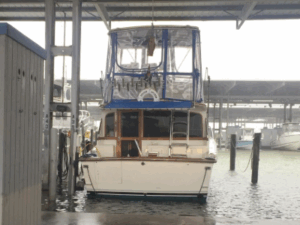
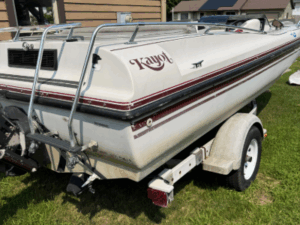
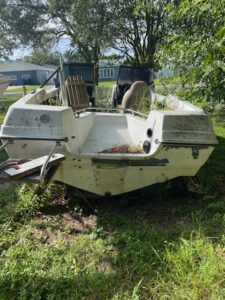
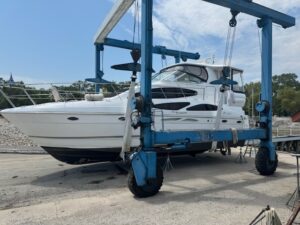
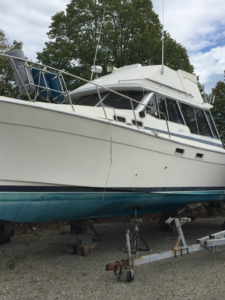
Yes. RVJunkers supports both RV and boat removal content, so if you have multiple large items to clear, it can often be handled under one plan.
Ready to remove your junk RV in Yarmouth?
If your old RV is sitting on your property in Yarmouth and you know you’re not bringing it back, Junk RV Removal is the cleanest way to move forward. With the right plan, even non-running and heavily damaged RVs can be removed safely, and you get your space back without dragging the problem into another season.
Our RV removal service is available when you’re ready to get rid of your RV. We’ll dispose of your RV fairly quick (weather depending / frozen roads, hurricanes and bad weather may cause delay). For RV Garbage Services, fill out any of the forms online. No need to get rouse or worked up over a Junk RV contact RV Junkers to clear up your space – get a free quote now and start the process of getting rid of any recreational vehicle with confidence!
Barnstable County RV Removal, Waste & Dump Services
Free Estimates for Junk RV Removal in Massachusetts
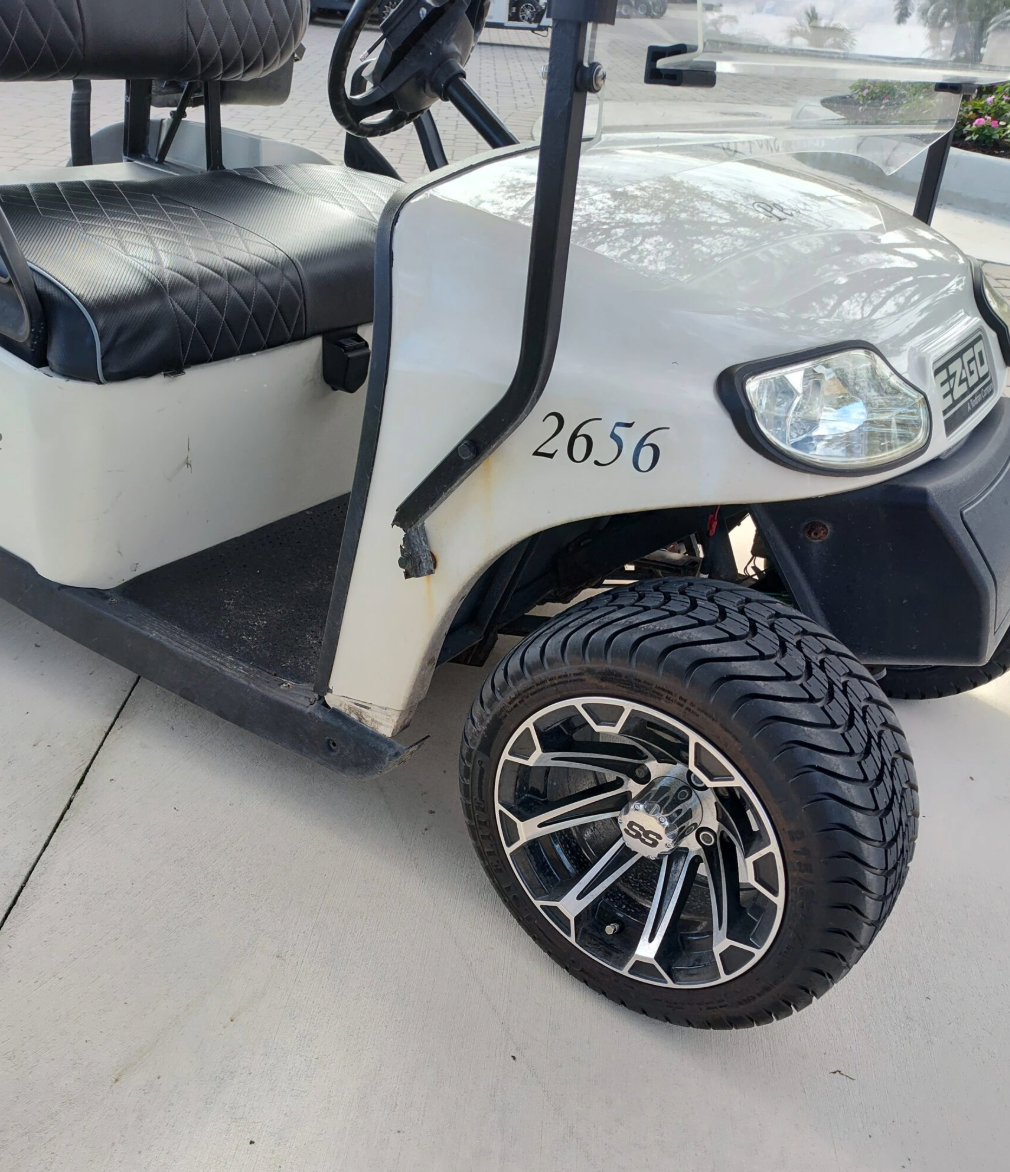
RVs We Remove, Dispose & Dump Include: Travel Trailers, Fifth Wheels, Motorhome Class A, Motorhome Class B, Motorhome Class C, Pop-Up Camper, Truck Camper, Toy Hauler, Expedition Vehicle, Camper Van, Teardrop Trailer, Park Model RV, Motorcycles & Trikes, Scooters, Golf Carts, Portable Offices, Old Helicopters, Old Planes, Boats, Sailboats, Yachts, Catamarans.
If you don’t see your RV type, call and ask if we can help 855-JunkyRV.