Alabama
Camper
Motorhome
Near Me
Removal Services
RV
RV Towing
Salvage
Scrap
Travel Trailer
junk RV removal Alabama, local RV disposal Alabama, motorhome removal Alabama, RV disposal Alabama, RV Removal near Alabama, RV towing Alabama, scrap RV Alabama, tow away junk RV Alabama, travel trailer removal Alabama
RV Removal Services
RV Removal Near Alabama: How to Get a Junk RV Off Your Property Without the Stress
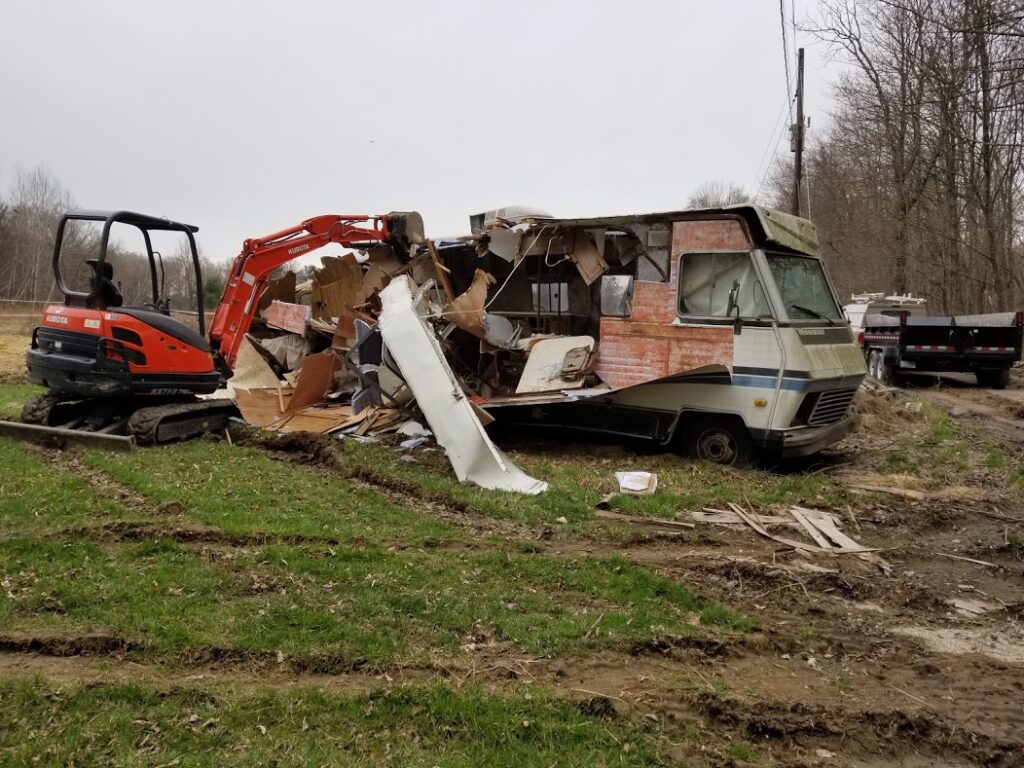
Local RV & Boat Removal
If you are searching for RV Removal near Alabama, you are probably looking at an RV that has stopped being “a vehicle” and started being a problem. Maybe it has not moved in years. Maybe the tires are flat and the floor feels soft. Maybe the roof leaks every time it rains, and now the inside smells like damp wood and old fabric. Or maybe it belonged to a family member, a tenant, or a previous owner and you got stuck dealing with it.
Either way, there is a point where fixing it does not make sense anymore. The money adds up fast, and even if you repaired it, you might still be left with a unit you do not trust to drive or camp in. That is why RV removal is so common. It is not about being careless. It is about being realistic.
This guide is written for Alabama property owners who want the RV gone without drama. You will learn how removal actually works, what affects cost, how to prepare the unit, what happens after pickup, and how to avoid the common mistakes that make the job harder than it needs to be.
If you want to get started with a simple overview of the service itself, the best place is RV removal.
What Counts as “RV Removal” in Alabama?
Most people picture a tow truck showing up and pulling the RV away in one smooth move. Sometimes that happens, but often it does not. RV removal is really a category of different jobs, depending on what you have and where it is sitting.
Motorhome removal
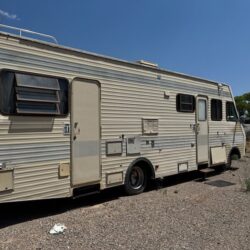
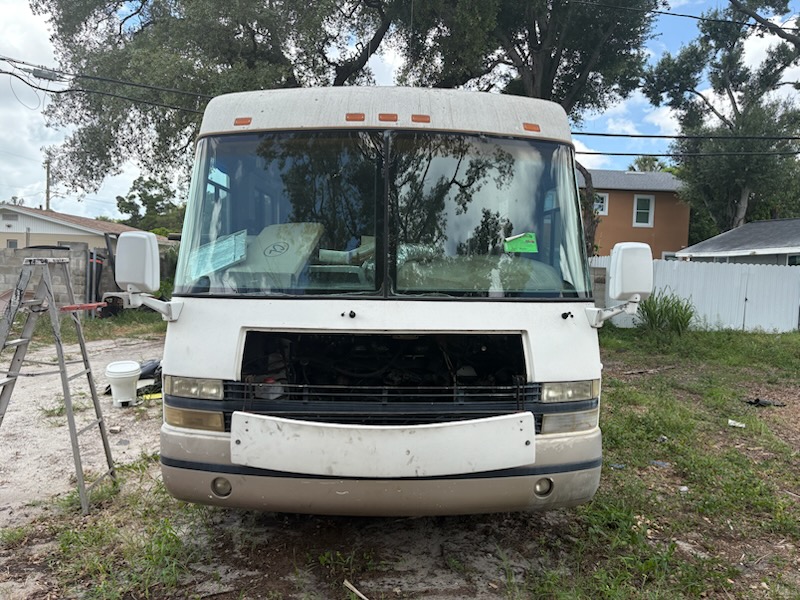
A motorhome (Class A, B, or C) is one unit that includes the engine and the living area. If it is drivable, it can often be towed. If it is not drivable, it may need to be loaded or recovered using heavier equipment. Motorhomes can also be tricky because the body is large and the weight distribution is different from a normal vehicle.
Travel trailer and camper removal
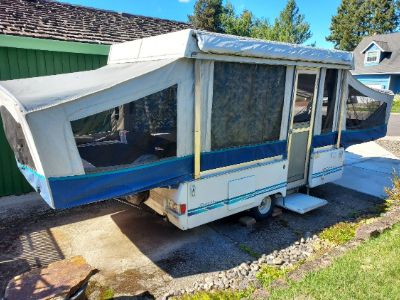
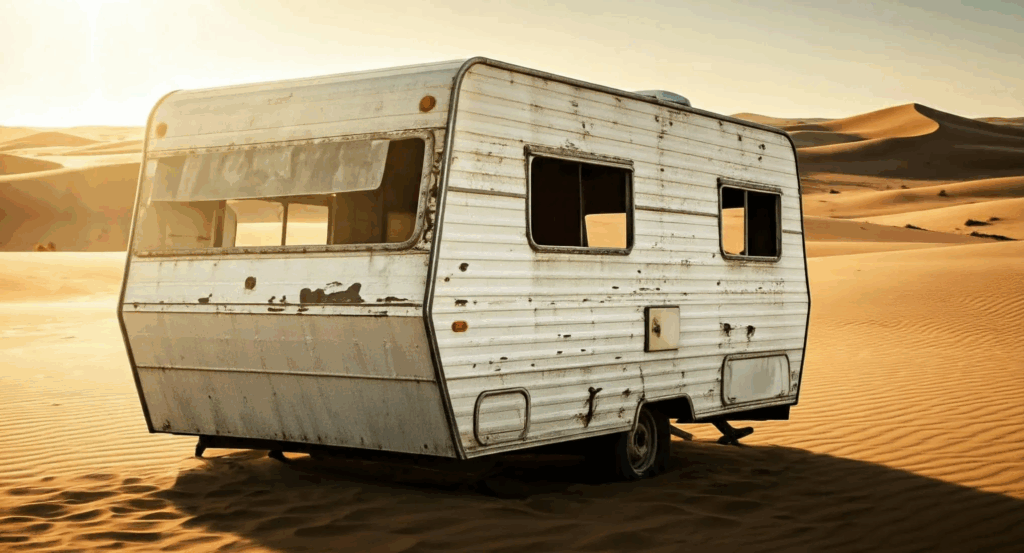
Towable RVs include travel trailers, fifth wheels, pop ups, and campers. These units often get abandoned because the frame rusts, the roof fails, or the interior becomes unsafe. A towable RV still needs a solid frame and hitch area to be pulled safely. If the hitch is damaged or the frame is weak, it may need a different approach.
Junk RV removal
This is the most common situation people are dealing with when they search RV Removal near Alabama. The RV is not just old. It is junked out, unsafe, partially stripped, or falling apart. It might be full of debris, water damage, pests, or mold. The goal is not transportation. The goal is removal and proper handling.
For jobs that are specifically in that category, junk RV removal explains what changes when the unit is no longer “tow ready.”
Why People Get Stuck With Junk RVs in Alabama
It helps to name the real-life situations because they are common:
- You bought the RV cheap thinking you would fix it up, then realized it needs far more work than expected
- A storm damaged the roof, windows, or side panels and water got inside
- The RV sat for years and now the tires are gone, the floor is soft, and the plumbing is destroyed
- A tenant left it behind and disappeared
- It was inherited and you do not want it
- The engine or transmission failed, and repairs cost more than the RV is worth
- You tried to sell it, but nobody wants a project RV anymore
The result is usually the same: you want the RV gone, but you do not want a mess, fines, or damage to your property while it is being removed.
What Happens to the RV After It Gets Picked Up?
People ask this because they want to know they are not accidentally doing something shady. A proper removal plan should have a clear endpoint.
Disposal and processing
Many junk RVs end up being dismantled and processed because an RV is not a simple “scrap metal box.” It is a mix of wood, insulation, plastics, fiberglass, metal framing, appliances, wiring, tanks, and sometimes hazardous materials. The right approach is to handle it through appropriate disposal and processing channels.
Salvage and recycling
Depending on condition, parts of an RV might be salvageable. Appliances, generators, metal components, and some fixtures can be reused or recycled. Recycling is not guaranteed, but it is often part of the process when materials make sense to recover.
Responsible RV disposal
The important part is that it is handled responsibly and not dumped somewhere. If you are looking for removal that is focused on proper end handling, RV disposal covers what disposal generally involves for junk units.
Get Started, Submit the RV Removal Form Below!
Why You Should Not Try to “Get Rid of It” the Wrong Way
When someone is stressed, they sometimes think about quick fixes like pushing it into a back corner, dragging it to a random lot, or leaving it somewhere “out of the way.” That creates bigger problems.
Here is what can go wrong:
- You can end up liable for illegal dumping
- A junk RV can leak fluids, batteries can corrode, and propane cylinders can become dangerous
- It can attract pests and create health issues
- It can turn into a long-term problem for neighbors and local enforcement
- It can become more expensive later when it deteriorates further
The cheaper option is usually the one that gets it removed correctly the first time.
What Affects the Cost of RV Removal Near Alabama?
Pricing is not random. It is based on logistics, equipment, and risk. Here are the main factors that typically change the cost.
1) RV size and weight
A small travel trailer is a different job than a 35-foot motorhome. Larger units need heavier towing capacity, more time, and sometimes multiple steps to move safely.
2) Can it roll?
If the RV rolls freely, towing is simpler. If it has flat tires, missing wheels, or locked brakes, it may require winching, skates, dollies, or lifting. A unit that has sunk into soil or mud can take extra labor.
3) Access and obstacles
Access is one of the biggest pricing drivers. Questions that matter:
- Is it in a driveway or in the backyard?
- Is there a narrow gate?
- Are there trees, fences, or tight turns?
- Is the ground soft or sloped?
- Can a truck get close enough to hook and pull safely?
4) Structural condition
Some RVs are fragile. If the frame is rusted or the floor is rotted, the RV can twist or break while being moved. That requires careful planning. The goal is to remove it without leaving debris all over your yard.
5) Cleanout and debris
If the RV is packed with trash, furniture, or construction debris, removal becomes heavier and messier. Some owners prefer to clean it out first to simplify removal. Others want it taken as is. Either way, the service needs to know what they are walking into.
6) Scrap value offsets
Sometimes a junk RV has scrap value, especially if it contains more metal components. In some cases, that can reduce the net cost. It depends on the unit and what can realistically be recovered.
The Step-by-Step RV Removal Process (What It Looks Like in Real Life)
Here is how a smooth removal usually happens.
Step 1: Share the basics
You provide:
- RV type and approximate length
- Whether it is a motorhome or towable
- Whether it rolls
- Where it is located on the property
- Any obvious issues (missing wheels, severe rot, stuck in mud)
- A few photos if possible
Photos are a huge help because they allow the remover to plan the correct equipment instead of guessing.
Step 2: Confirm access and pickup plan
A professional service will confirm:
- How they will remove it (tow, winch, load)
- Where they will position the truck
- Whether anything needs to be moved for access (vehicles, gates, obstacles)
- Whether the RV needs to be repositioned first
This is where you avoid “surprise problems” on pickup day.
Step 3: Prepare the RV
You do not need to renovate anything. You just need to remove what should not be inside the RV when it leaves your property.
Step 4: Removal day
Depending on the situation, removal may involve:
- Hooking and towing (if it is tow ready)
- Winching onto a flatbed
- Using a heavy wrecker for larger units
- Carefully pulling it out from a tight or soft area
- Stabilizing parts of the RV so it does not collapse during movement
Step 5: Confirmation
You should receive a confirmation that the RV was removed. If you have a title or paperwork involved, you handle the transfer as required. Either way, keep your records.
What You Should Remove Before the RV Gets Picked Up
This is where people regret things later. RVs become storage units, and it is easy to forget what is inside.
Here is what you should remove:
Personal items
- Documents, photos, keepsakes
- Tools, camping gear, outdoor chairs, grills
- Electronics, cords, chargers
- Anything you might later say “I forgot that was in there”
Hidden storage areas
Check:
- Under beds and benches
- Cabinets above the driver area (motorhomes)
- Outside storage bays
- The bathroom vanity and medicine cabinet
- Behind cushions and inside dinette benches
Hazard items
This is important for safety and cleanup:
- Propane cylinders or tanks
- Loose batteries (house batteries, car batteries, battery packs)
- Fuel cans, oils, chemicals, cleaners
- Anything that could spill during towing
If you are unsure about something, remove it. It is better to spend an extra 20 minutes clearing it out than to lose it forever.
RV Removal From Backyards, Rural Lots, and Tight Spaces in Alabama
A lot of Alabama properties are not set up like a flat suburban driveway with easy access. Many RVs are parked behind sheds, near tree lines, or on land where the ground stays soft after rain.
Here are common “hard access” situations and what usually matters.
Backyard behind a gate
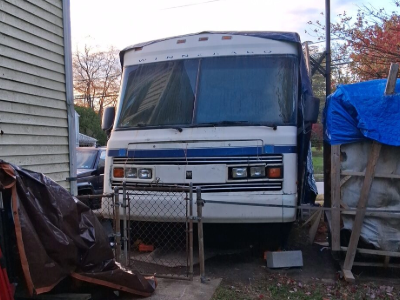
A gate opening can be the difference between a simple tow and a complicated recovery. Measuring the width of the gate and the distance to the RV helps the remover plan.
Soft ground and sinking
If the RV has been sitting in soil for years, it may have sunk in. That can make it hard to roll, and it can make winching more delicate. Sometimes the safest approach is to stabilize and pull slowly with the right angle.
Narrow driveways and sharp turns
Long trailers and large motorhomes need turning space. Tight turns can require repositioning or a different truck approach.
Trees and overhead obstacles
Low branches, wires, and overhangs can block safe towing. Clearing access beforehand saves time and reduces risk.
Common RV Removal Scenarios We See
“It is full of mold and smells awful”
This is common after roof leaks. Mold does not just look bad. It spreads into soft materials and insulation. Removal becomes urgent because it can become a health issue, especially if you have kids, pets, or nearby living space.
“The RV is falling apart”
Old units can have rot in the floor and walls. The key is removing it without leaving a trail of debris. That is where experience and the right equipment make a difference.
“No title”
This happens with older campers. The best move is to be upfront and provide any proof of ownership you do have. The approach can vary based on the situation.
“The RV is on blocks with no wheels”
Not a problem, but it changes the plan. It will likely need lifting or loading rather than a simple tow.
“I need it gone fast”
Many removals can be scheduled quickly, especially if access is easy and details are clear upfront.
How to Avoid Bad RV Removal Experiences
A few simple checks can prevent a headache.
Look for clear communication
A reliable service will ask questions. If someone gives you a price without asking anything about size, condition, or access, that is a sign they might change the price later.
Make sure they understand the endpoint
You should know what happens after pickup. You do not need a long explanation, but you should feel confident it is handled properly.
Ask what you need to prep
If they do not mention removing personal items and hazardous items, that is a red flag. Preparation matters for safety.
FAQs: RV Removal Near Alabama
How quickly can I schedule RV Removal near Alabama?
Often within a few days, sometimes sooner, depending on the RV’s condition and your location. Clear access and good photos usually speed up scheduling.
Do I have to be home for removal?
Not always. Many pickups can be done without you being present as long as the RV is accessible and details are confirmed. Some owners prefer to be there, especially if access is tight.
Can you remove an RV that will not roll?
Yes. Non-rolling RVs are common. Winches, skates, and loading equipment are used depending on what is needed.
What if my RV is in a backyard?
Backyard removals are possible, but the plan depends on gate width, ground conditions, and obstacles. Photos and measurements help avoid surprises.
What happens if the RV falls apart during removal?
A professional removal plan accounts for weak structure and aims to prevent breakage. If the RV is extremely fragile, the approach may involve stabilizing or loading rather than dragging.
Do I need to clean out the RV first?
It helps, but it is not always required. At minimum, you should remove valuables, personal items, and hazardous materials before pickup.
Do I need the title to remove my RV?
Having the title is helpful, but removal may still be possible depending on the situation. The best move is to be upfront about what documentation you have.
Can you remove more than one RV from a property?
Yes. If you have multiple units, provide details for each so the right equipment and schedule can be planned.
Ready to Move Forward?
If you are done staring at a junk RV and wondering what to do next, RV Removal near Alabama is the clean solution. The right removal plan gets it off your property safely, without damage, and without leaving you with loose debris or unanswered questions.
To take the next step, start here: RV Junkers. If your situation is specifically a broken down unit, this page helps too: junk RV removal.
Our RV removal service is available when you’re ready to get rid of your RV. We’ll dispose of your RV fairly quick (weather depending / frozen roads, hurricanes and bad weather may cause delay). For RV Garbage Services, fill out any of the forms online. No need to get rouse or worked up over a Junk RV contact RV Junkers to clear up your space – get a free quote now and start the process of getting rid of any recreational vehicle with confidence!
Alabama RV Removal, Waste & Dump Services
Free Estimates for Junk RV Removal in Alabama
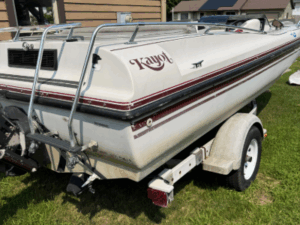
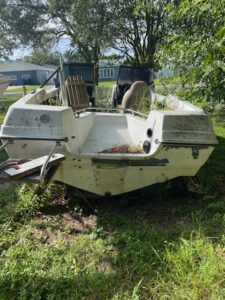
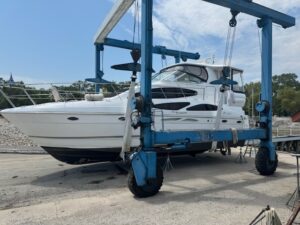
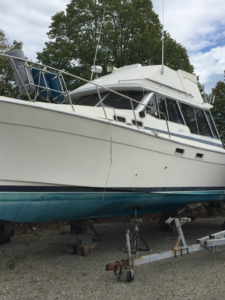
RVs We Remove, Dispose & Dump Include: Travel Trailers, Fifth Wheels, Motorhome Class A, Motorhome Class B, Motorhome Class C, Pop-Up Camper, Truck Camper, Toy Hauler, Expedition Vehicle, Camper Van, Teardrop Trailer, Park Model RV, Motorcycles & Trikes, Scooters, Golf Carts, Portable Offices, Old Helicopters, Old Planes, Boats, Sailboats, Yachts, Catamarans.
If you don’t see your RV type, call and ask if we can help 855-JunkyRV.